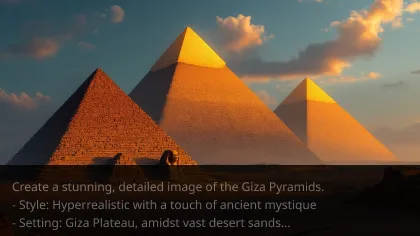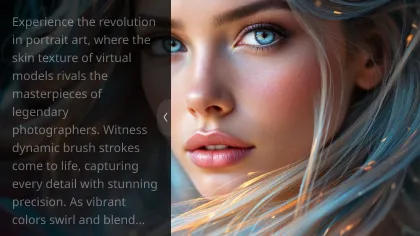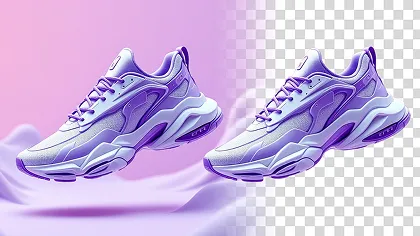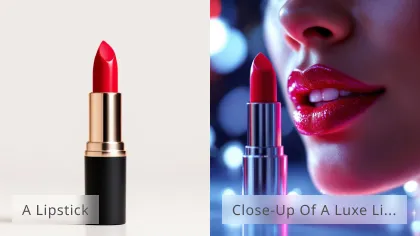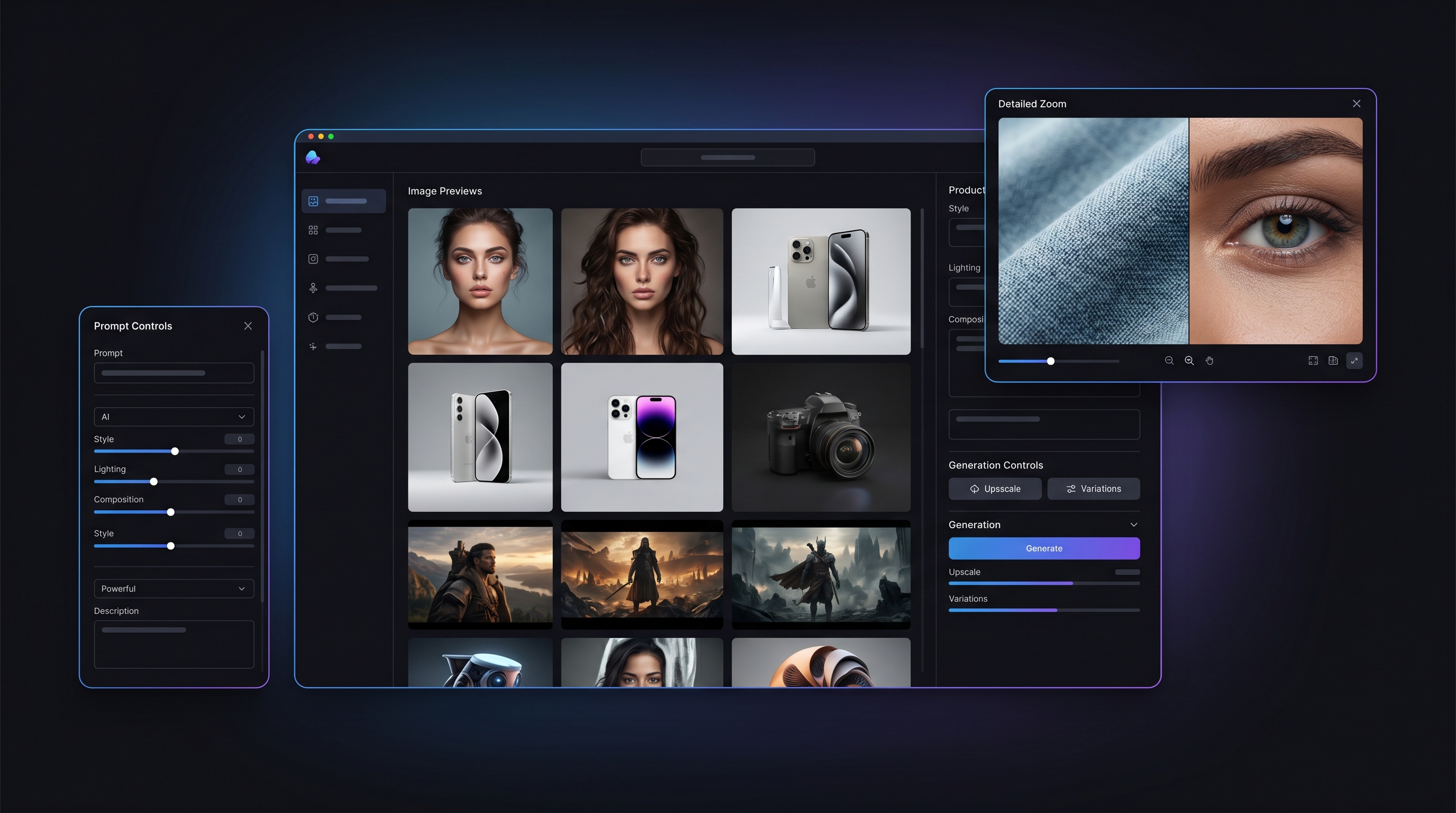
AI image generation has evolved at breakneck speed. What once required expensive GPUs and complex technical workflows can now be produced with a prompt, a reference image, and a browser. Earlier models such as Midjourney, Stable Diffusion XL, and Flux 1.x helped bring AI image creation into the mainstream, but creators now expect more than novelty.
A new wave of premium-quality image generators is built for creators, marketers, designers, and digital artists who need high-resolution output, photorealistic rendering, strong prompt interpretation, and consistent professional polish.
This guide focuses on Flux.2 Pro-style AI image generation as a professional creative workflow: how it works, what features matter, where it performs best, how to write stronger prompts, and how to use Fylia AI Image Generator as the safest Fylia AI entry point for high-quality image creation and model testing.
What Is Flux.2 Pro-Style AI Image Generation?
Flux.2 Pro is best understood as a next-generation image model direction built around realistic lighting, cinematic detail, accurate anatomy, and flexible artistic styles. While earlier image models delivered strong results, this kind of pro-grade workflow raises the expectations for professional output.
It is designed for creators who care about:
- richer textures
- more expressive faces
- sharper environmental detail
- better prompt comprehension
- flexible style adaptation
- cleaner handling of hands, limbs, clothing, and accessories
- stronger high-resolution output
Since I could not verify a clean Fylia AI model page for the exact Flux.2 Pro model slug, the closest safe Fylia replacement for tool access is the Fylia AI Image Generator. It gives creators a practical place to generate AI images from text or reference images and compare available image workflows.
Core Features of a Pro-Grade AI Image Generator
A serious AI image generator is not only judged by whether the first result looks impressive. It should support repeatable creative work. For professional users, the most important features are photorealism, style control, high-resolution detail, prompt understanding, and reliable lighting.
1. Photorealism and Texture Accuracy
Pro-grade AI image generation is strongest when it can render lifelike textures without smearing or over-smoothing. Skin should preserve natural detail. Fabric should show weave and weight. Metal, stone, glass, and plastic should react to light in believable ways.
This is especially important for:
- portrait photography concepts
- lifestyle images
- fashion catalog visuals
- cinematic stills
- product showcase mockups
- ecommerce drafts
Where weaker models introduce distortion, blur, or plastic-looking surfaces, stronger image models keep the scene crisp and dimensional.
2. Multistyle Artistic Adaptation
A professional AI image model should not be locked into one look. It should shift between visual styles while preserving quality.
Useful styles include:
- hyperrealism
- anime
- cinematic realism
- watercolor
- 3D art
- hand-painted illustration
- digital concept art
- ink, pastel, and editorial styles
This matters because creators often need more than one output style for a campaign. A brand may need photorealistic product images, stylized social posts, poster concepts, and character art in the same week. A flexible model makes that easier.
3. High-Resolution Professional Output
High-resolution image generation matters because creative assets often need to survive cropping, resizing, and reuse across formats. A strong model should produce images that remain clean when used in:
- commercial photography drafts
- marketing creatives
- posters
- book covers
- character sheets
- digital prints
- ecommerce product shots
- campaign mockups
The best high-resolution outputs do not simply enlarge an image. They preserve detail, structure, lighting, and texture so the asset remains useful beyond the first preview.
4. Complex Prompt Understanding and Scene Consistency
Many AI image models struggle with multi-subject prompts, complex spatial relationships, and long creative briefs. Strong pro-grade image generation should understand:
- detailed prompts
- character features
- spatial layout
- lighting direction
- multiple subjects
- anatomy and pose requirements
- composition and camera framing
This makes the workflow useful for cinematic storytelling, worldbuilding art, concept design, and campaign visuals where several elements must work together.
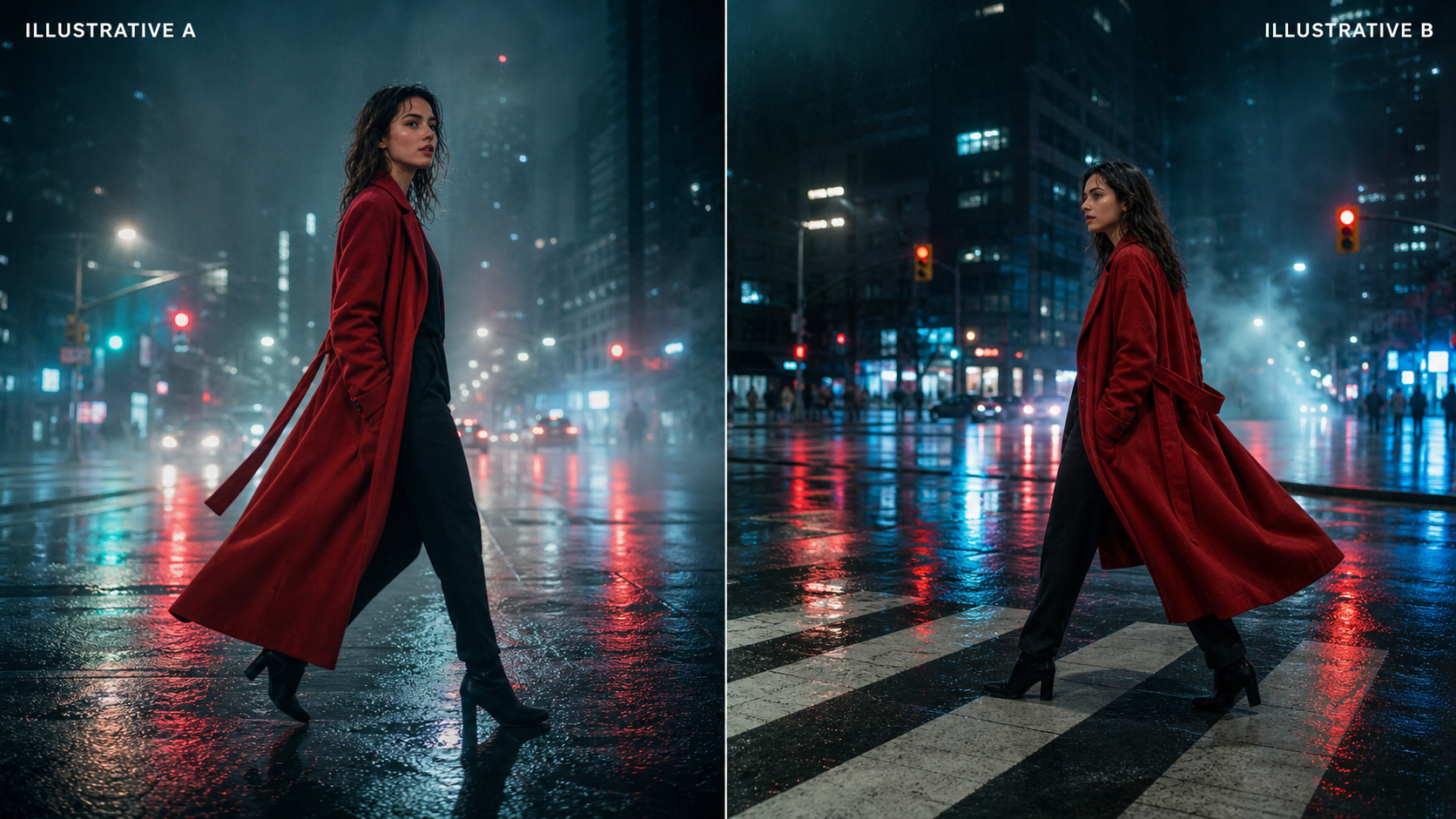
5. Natural Lighting and Cinematic Quality
Lighting is one of the biggest differences between a flat AI image and a professional-looking image. A strong image model should reproduce film-like light behavior, including:
- golden-hour glow
- volumetric fog
- dramatic backlight
- soft studio lighting
- neon reflections
- moonlight gradients
- shallow depth of field
- lens-like atmosphere
Cinematic lighting gives images emotional shape. It can turn a simple subject into a campaign visual, a character portrait, or a story frame.
How Pro-Grade AI Image Generation Works
AI image generation is highly prompt-sensitive. A model may be powerful, but the result still depends on how clearly the user describes the subject, style, composition, lighting, and mood.
A strong prompt usually follows this order:
- Subject: the main character, product, object, or scene
- Style: photorealistic, cinematic, anime, editorial, 3D, or painterly
- Composition: camera angle, distance, framing, or layout
- Lighting: soft studio light, neon, moonlight, golden hour, or dramatic backlight
- Technical cues: lens, depth of field, texture, resolution, and rendering detail
- Mood: calm, dramatic, mysterious, warm, elegant, playful, or luxurious
- Optional constraints: what to avoid or keep stable
Example:
Young woman in cinematic portrait style, soft diffused lighting, 85mm lens, shallow depth of field, golden-hour glow, hyperrealistic skin texture.
Structured prompts create structured results. If the model understands what matters first, the image is more likely to follow the creative direction.
Understanding Style Weighting and Interpretation
Many image models prioritize the earliest and clearest parts of a prompt. Put the most important idea near the beginning.
Weak prompt:
Soft lighting with a girl who is sitting in a garden and wearing a dress.
Stronger prompt:
Photorealistic portrait of a girl in a garden, soft lighting, pastel dress, 50mm lens.
The stronger version begins with the desired output type and subject. It also adds style, setting, wardrobe, and camera language in a clean order.
Best Use Cases for Pro-Grade AI Image Generation
Professional image models are versatile, but they shine most when the task benefits from detail, lighting, composition, and prompt control.
1. Hyperrealistic Portrait Photography
A strong AI image generator can replicate the feeling of a professional studio shoot:
- natural skin texture
- expressive eyes
- detailed hair
- believable lighting
- realistic depth
- controlled background blur
This is useful for influencer photos, editorial portraits, fantasy characters, model lookbooks, professional headshot concepts, and campaign imagery.
2. Product Design and Ecommerce
Product visuals need precision. The object shape, surface material, lighting, and framing all matter.
Pro-grade AI image generation is useful for:
- cosmetics
- electronics
- packaging
- beverage bottles
- apparel
- accessories
- food macros
- lifestyle product scenes
When generating product images, use clear material cues such as glass, matte plastic, brushed metal, polished marble, cotton fabric, leather, or glossy ceramic.
3. Cinematic Storytelling and Film Frames
Cinematic image generation is one of the strongest use cases for advanced models. You can create frames inspired by science fiction, fantasy, drama, horror, post-apocalyptic settings, historical worlds, or modern commercial film language.
Useful prompt details include:
- 35mm lens
- anamorphic flare
- volumetric fog
- low-key lighting
- wide establishing shot
- shallow depth of field
- cinematic color grading
- dramatic rim light
This is valuable for storyboards, concept art, book covers, pitch decks, and visual worldbuilding.
4. Fashion Photography and Character Modeling
Fashion and character prompts need the model to understand pose, fabric, styling, and silhouette. Strong models can handle:
- complex clothing textures
- editorial poses
- dramatic lighting
- color accuracy
- layered outfits
- accessories
- character sheets
This is useful for fashion campaigns, RPG character design, hero or villain concept art, costume exploration, and social content.
5. Branding and Graphic Design
Pro-grade image generation can also support branding and layout ideation. It is useful for:
- minimalist poster design
- ad compositions
- icon-style concepts
- surreal campaign visuals
- website hero images
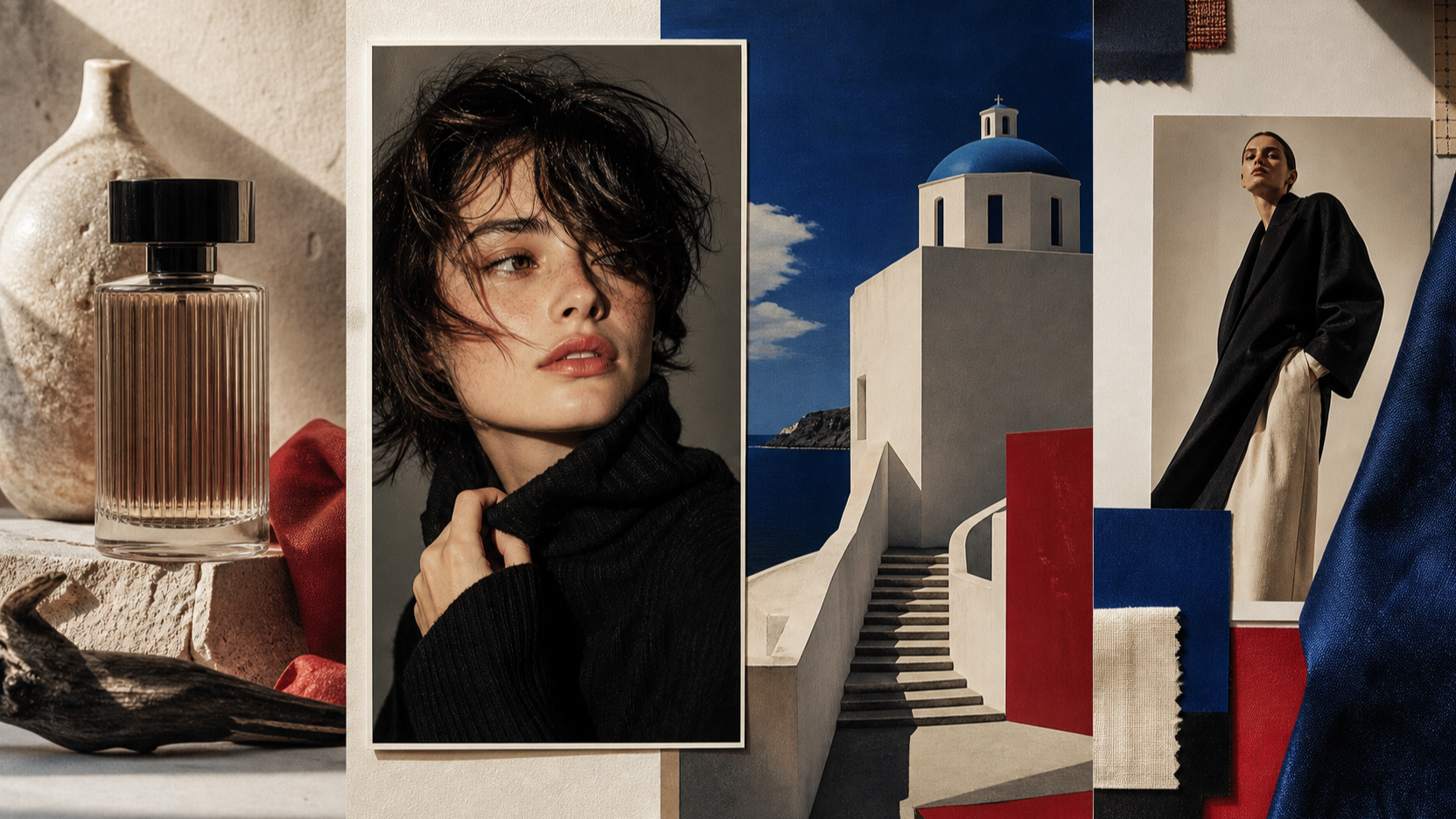
- product moodboards
- social media templates
For branding work, keep prompts cleaner and more controlled. Too many style terms can make the output look busy or inconsistent.
Prompt Examples for High-Quality AI Image Generation
Use these prompt templates as starting points and adjust the subject, lighting, or camera details for your project.
Photorealistic Portrait Prompt
Hyperrealistic portrait of a young woman with freckles, natural light, 85mm lens, soft bokeh background, warm tones, ultra-detailed skin texture.
Product Photography Prompt
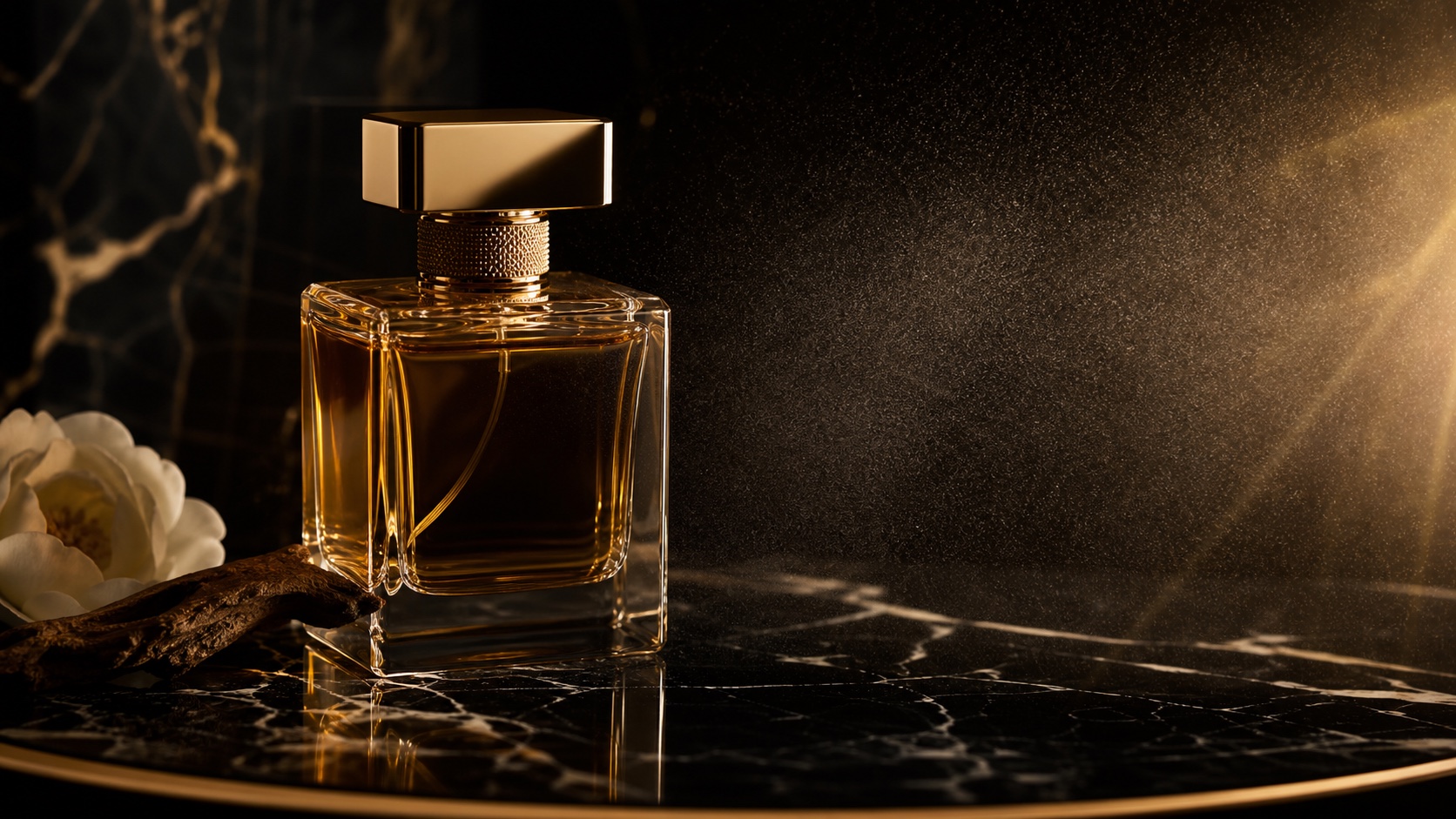
Matte black perfume bottle on reflective marble, studio lighting, high-resolution product photography style, sharp edges, detailed glass texture, clean commercial background.
Cinematic Scene Prompt
Cinematic alleyway at night, neon blue and pink signs, rain-soaked pavement, volumetric lighting, 35mm film look, atmospheric fog, realistic reflections.
Anime Character Prompt
Anime-style warrior girl with silver hair, dramatic pose, glowing sword, soft cel shading, detailed costume design, vibrant color palette, clean linework.
Fantasy Concept Art Prompt
Ancient forest temple with glowing runes, cinematic fantasy painting, volumetric fog, moss-covered stone, wide-angle depth, sweeping light rays.
Comparing Pro-Grade AI Image Models with Other Options
A fair comparison should focus on workflow fit rather than hype.
Compared with Midjourney
Midjourney is often known for strong artistic flair and visually dramatic results. Pro-grade Flux.2 Pro-style generation is better framed as a realism-and-control workflow: realistic textures, material accuracy, professional lighting, and predictable composition.
Compared with Earlier Image Models
Compared with older model generations, professional-grade workflows usually improve anatomy, hands, accessories, lighting, prompt flexibility, and overall detail stability.
Compared with Stable Diffusion XL Workflows
Stable Diffusion XL can be powerful and highly customizable, especially for advanced users. The trade-off is that it can require more setup, extensions, or node-based workflows. A platform like Fylia AI is more useful when the creator wants easier browser-based generation and faster visual iteration.
Tips for Mastering AI Image Generation
Start With Short Prompts
Many strong image prompts only need 12–30 words. Start simple, then add detail after the first result.
Use Lens and Camera Keywords
Camera details can improve realism. Try 35mm, 50mm, 85mm, macro lens, shallow depth of field, close-up portrait, wide-angle shot, or studio product photography.
Add Lighting Deliberately
Lighting shapes the whole image. Use one clear lighting idea: golden hour, soft studio light, moonlight, neon reflection, dramatic backlight, candlelight, or overcast daylight.
Use Constraints Sparingly
Overloaded negative prompts can make the image less natural. Focus first on what you want, then add only the most important constraints.
Change One Variable per Generation
To improve results, change only one thing at a time: camera, lighting, subject detail, style, or background. This helps you learn what actually improves the image.
How to Use Fylia AI for This Workflow
The easiest Fylia AI route is the AI Image Generator. It supports image generation from text and reference images, making it suitable for portraits, products, concept art, brand visuals, and creative experiments.
A simple workflow looks like this:
- Choose the image-generation workflow.
- Write a short structured prompt.
- Generate a first draft.
- Review subject, lighting, texture, and composition.
- Change one variable.
- Generate again.
- Save the prompt structure that works.
- Use the best result as a campaign asset, reference image, or creative draft.
This keeps the process controlled and reduces the risk of wasting time on random prompt changes.
Final Verdict: Is Pro-Grade AI Image Generation Worth Using?
If you want a serious AI image workflow that can deliver realism, accuracy, cinematic detail, flexible styling, consistent anatomy, and natural lighting, pro-grade AI image generation is worth using.
Flux.2 Pro-style generation represents one of the strongest directions for high-resolution, professional visual creation. Since the old tool page does not have a verified one-to-one Fylia AI model replacement, the safest Fylia recommendation is to start with the Fylia AI Image Generator and compare the available model behavior there.
For photographers, designers, worldbuilders, marketers, and content creators, this workflow offers a practical way to move from prompt to polished image without building a complex technical pipeline.
Related Articles
- The Complete Guide to Flux.2 Pro AI Image Generation: Features, Tips, Prompts, and Why Creators Love It
- Best 4K Image Generator 2026: Flux.2 Max vs Nano Banana Pro
- GPT Image 2 for 4K Visual Design: A Practical Guide for Posters, Brand Assets, and Multi-Image Editing
- Nano Banana 2 vs Nano Banana Pro: Which AI Image Model Should You Use?